Speaking of… The Alberta premier brought in legislation that rolls back track 2 MAiD. But she also cut back disability income amounts, tied them to employment when it’s 1000x harder to get and keep a job, and established clawbacks of the Canada disability benefit so disabled people won’t have access to MAiD, and will have a lower standard of living that was already stretched. It’s a backhanded “victory”. Typical of conservatives.


Navigation
Install the app
How to install the app on iOS
Follow along with the video below to see how to install our site as a web app on your home screen.
Note: This feature may not be available in some browsers.
More options
You are using an out of date browser. It may not display this or other websites correctly.
You should upgrade or use an alternative browser.
You should upgrade or use an alternative browser.
Meanwhile in Canada
- Thread starter WhyCzar
- Start date
More options
Who Replied?
WhyCzar
Connect The Dots
- Pronouns
- They/Them/Their
so disabled people won’t have access to MAiD, and will have a lower standard of living that was already stretched.
Quebec, Ontario, and British Columbia together accounted for nearly 85% of all MAiD cases according to Health Canada's Sixth Annual Report on Medical Assistance in Dying (2024), released in November 2025.
- British Columbia: 2,997 (18.2%)
- Alberta: 1,117 (6.8%)
With regards to Alberta's lowering the standard of living which was already stretched:
Alberta's program has historically provided one of the higher total welfare incomes for a single disabled person in Canada (around $23,732 annually in recent Maytree data for AISH households).
A new Alberta Disability Assistance Program (ADAP) is launching in July 2026 for some clients (those potentially capable of some work), with a lower base benefit of up to $1,740 per month for singles, though existing AISH recipients get a transition benefit to maintain their current level until the end of 2027.
Key Comparison (Single Adult, No Children, Maximum Rates as of 2026)
- Alberta (AISH): $1,940/month (~$23,280/year).
- British Columbia (PWD): $1,483.50–$1,535.50/month (~$17,802–$18,426/year).
This gap has been consistent in recent years, with Alberta often ranking among the higher provincial disability supports in national comparisons. disabilityalliancebc.org
Good thing you don't live in Alberta!

Delightful Life
M&M, Cascadian Lovers
- Pronouns
- She/Her/Her
In my continued experimentation
Got to experience a novel feeling today
2 parallel lines including the space between
What a trip
Got to experience a novel feeling today
2 parallel lines including the space between
What a trip
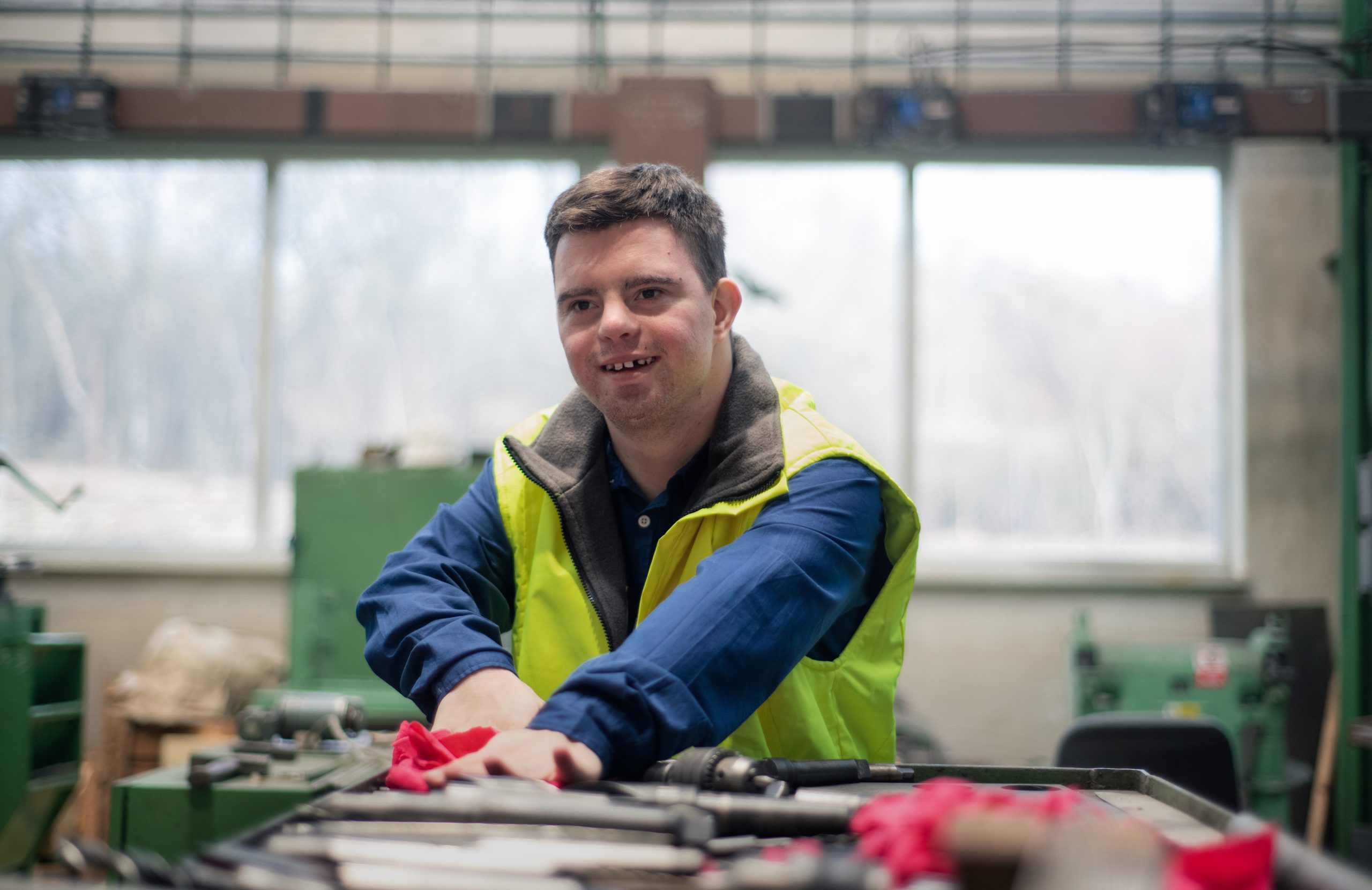
Mixed signals: Alberta limits MAID and scales back disability supports
Disability advocates welcome Alberta’s limits on Track 2 MAID, but warn the new Alberta Disability Assistance Program could deepen hardship
 www.canadianaffairs.news
WhyCzar
Connect The Dots
- Pronouns
- They/Them/Their
The last sentence of that article is:Mixed signals: Alberta limits MAID and scales back disability supports
Disability advocates welcome Alberta’s limits on Track 2 MAID, but warn the new Alberta Disability Assistance Program could deepen hardship
Even though Alberta’s disability social assistance is the highest in Canada, it still leaves people who rely on it living below poverty levels.
What is the poverty level and how many seniors and "abled" people fall below it in Canada?
Delightful Life
M&M, Cascadian Lovers
- Pronouns
- She/Her/Her
met someone who is part sasquatch
who was there at the Ostirich farm when they were being culled *shudder* and who has divining rods and when i first used them they were randomly twisting lol then when i asked a question they found a rock which i then talked to and licked and bit and took home
 this place
who was there at the Ostirich farm when they were being culled *shudder* and who has divining rods and when i first used them they were randomly twisting lol then when i asked a question they found a rock which i then talked to and licked and bit and took home
this placeToo many. Nobody should be. Pulling oneself up by the bootstraps is harder if not impossible for many disabled people. Many also have extra costs incurred due to medical needs and lack of accessibility (maybe can’t cook for themselves, need a support person, have extra transportation costs, supplies costs etc)The last sentence of that article is:
Even though Alberta’s disability social assistance is the highest in Canada, it still leaves people who rely on it living below poverty levels.
What is the poverty level and how many seniors and "abled" people fall below it in Canada?
Canada's official poverty line is based on the Market Basket Measure (MBM), which calculates the cost of a modest, basic standard of living. It varies significantly by region and family size, with 2024 monthly thresholds for a single person ranging from roughly $1,964 in Quebec to over $4,300 in Nunavut.
Statistique Canada +1
- Official Measure (MBM):The MBM considers disposable income against the cost of food, clothing, shelter, transportation, and other necessities
.- Regional Variation (2024 Single Person, Monthly):
- Ontario:
≈
$2,221 - British Columbia:
≈
$2,272 - Alberta:
≈
$2,381 - Quebec:
≈
$1,964
- Ontario:
- Family of 4 Example: For a family of four, the 2020 MBM thresholds ranged from in small Quebec communities to over in Vancouver.
- Other Measures: The Low-Income Measure (LIM) is also used, which defines poverty as having an income below 50% of the median adjusted household income. Canada's official poverty line is based on the Market Basket Measure (MBM), which calculates the cost of a modest, basic standard of living. It varies significantly by region and family size, with 2024 monthly thresholds for a single person ranging from roughly $1,964 in Quebec to over $4,300 in Nunavut.
Statistique Canada +1
- Official Measure (MBM): The MBM considers disposable income against the cost of food, clothing, shelter, transportation, and other necessities
.- Regional Variation (2024 Single Person, Monthly):
- Ontario:
≈
≈
$2,221 - British Columbia:
≈
≈
$2,272 - Alberta:
≈
≈
$2,381 - Quebec:
≈
≈
$1,964
- Ontario:
- Family of 4 Example: For a family of four, the 2020 MBM thresholds ranged from
$
38
,
500
in small Quebec communities to over
$
50
,
500
in Vancouver.
- Other Measures: The Low-Income Measure (LIM) is also used, which defines poverty as having an income below 50% of the median adjusted household income.
- Regional Variation (2024 Single Person, Monthly):
- Official Measure (MBM): The MBM considers disposable income against the cost of food, clothing, shelter, transportation, and other necessities
- Regional Variation (2024 Single Person, Monthly):
Basic cost of living is high. Food costs are soaring. Rents are too high. Rates are too low. Disabled people are socially and economically marginalized - the most so of any marginalized groups. Those who belong to more than one marginalized group, struggle more on the whole. The fact that there’s anyone in poverty in a country like Canada is a result of entrenched bad policy - and some new bad policy. And attitudes to match. The abled general public is so used to it any attempt to change it is met with derision and we have MAiD now. It’s really bad. Disabled people in Alberta may be safe from MAiD but they will now be struggling more to get by than they already were previously. Or maybe some were doing just okay but now have to struggle without necessities so average Albertans don’t have to feel it. That’s obviously not okay. Anyone who thinks so has ice in their veins. Danielle Smith either isn’t thinking it through or thinks that charity will fill the gap — that’s not okay either. Food banks and other charities are underfunded as well.
Last edited:
Cost of Living in Alberta (2025)
Cost of Living in BC (2026)
- Monthly Expenses (Single Person):Estimates range between $2,600 and $3,500per month.
- Housing: A one-bedroom apartment averages $1,716 in Calgary and $1,353 in Edmonton.
- Utilities: Average monthly utility costs (electricity, heating, water) for a single person are approximately $194, with an additional $85 for internet.
- Groceries: A single person spends roughly $350 per month on groceries.
- Transportation: Monthly transit passes are around $100+, with lower gas prices compared to other provinces.
- Living Wage (2025): The required wage to cover basic expenses varies by community, from $17.55/hr in Medicine Hat to $31.40/hr in Jasper. Major cities are higher, with Calgary at $24.45/hr and Edmonton at $20.85/hr.
Cost of Living in BC (2026)
- Monthly Expenses (Single Person):Estimated between $3,500 and $4,200 to cover basic needs in urban centres.
- Housing: Average monthly rent for a one-bedroom apartment in BC is approximately $2,030.
- Vancouver: ~$2,400–$2,500 for a one-bedroom condo.
- Victoria: ~$1,975 for a one-bedroom apartment.
- Kelowna: ~$1,800 for a one-bedroom apartment.
- Groceries: A single person spends roughly $400–$600 per month.
- Utilities & Internet: Combined monthly costs typically range from $300 to $450.
- Transportation: One of the highest costs in BC; gas prices average around $1.80/litre, and a one-zone transit pass in Vancouver is $111.60.
- Living Wage (2025-2026): The hourly wage needed for a family of four (two working adults) to meet basic expenses:
- Metro Vancouver: $27.85/hr
- Victoria: $27.40/hr
- Kelowna: $25.95/hr
- Prince George:$23.15/hr
Living Wage BC +7Cost of Living in BC (2026)
- Monthly Expenses (Single Person):Estimated between $3,500 and $4,200 to cover basic needs in urban centres.
- Housing: Average monthly rent for a one-bedroom apartment in BC is approximately $2,030.
- Vancouver: ~$2,400–$2,500 for a one-bedroom condo.
- Victoria: ~$1,975 for a one-bedroom apartment.
- Kelowna: ~$1,800 for a one-bedroom apartment.
- Groceries: A single person spends roughly $400–$600 per month.
- Utilities & Internet: Combined monthly costs typically range from $300 to $450.
- Transportation: One of the highest costs in BC; gas prices average around $1.80/litre, and a one-zone transit pass in Vancouver is $111.60.
- Living Wage (2025-2026): The hourly wage needed for a family of four (two working adults) to meet basic expenses:
- Metro Vancouver: $27.85/hr
- Victoria: $27.40/hr
- Kelowna: $25.95/hr
- Prince George:$23.15/hr
Living Wage BC +7
The ADAP Transition: Effective July 1, 2026, Alberta is moving many recipients from the Assured Income for the Severely Handicapped (AISH) to the new Alberta Disability Assistance Program (ADAP).
- Rate Reduction: Those moved to ADAP (deemed to have "some ability to work") will see a $200 monthly cut, receiving $1,740 instead of the 2026 AISH rate of $1,940.
- Earnings Clawback: The monthly earnings exemption for both programs has been lowered to $350 (from $1,072 previously), which advocates argue punishes working individuals
Disabled people in BC are living at 35% below the Market Basket Measure poverty line.
Disabled Albertans are living 30% below it.
I’m not greedy to think that doesn’t seem acceptable. It’s not acceptable for anybody but the solution is always to make it harder for people already at a disadvantage. That sucks. But hey…wars and pipelines.
Disabled Albertans are living 30% below it.
I’m not greedy to think that doesn’t seem acceptable. It’s not acceptable for anybody but the solution is always to make it harder for people already at a disadvantage. That sucks. But hey…wars and pipelines.
WhyCzar
Connect The Dots
- Pronouns
- They/Them/Their
Renewable energy projects, like endless wars, provide excellent opportunities to wash taxpayer money into the hands of the few.But hey…wars and pipelines.
Yes. I had a comment further to that but I deleted it. Brain needs rest.Renewable energy projects, like endless wars, provide excellent opportunities to wash taxpayer money into the hands of the few.
Good, but no mention of UN concerns over MAiD expansion and disability rights in Canada. I think the big picture reason for this, is that lgbtq+ people who are not disabled, if stigma is overcome, can be more easily integrated into serving the ultra capitalist economy, fighting wars, etc. There’s a reason for the worldwide concern that’s not really altruistic, maybe not at all, coming from the top - it’s economic. It requires more expenditure on infrastructure and policy and more of a change in best business practices - to integrate disabled people into the status quo than lgbtq+ people who are able bodied and minded. So, that’s “kind of” Nazi-ish still. Mainstream abled Canadians largely don’t see it yet, or more sadly, don’t care. What I don’t understand (or, I understand that there’s prejudice at work and it makes me angry) is the world can clearly see hate toward other groups on the rise - but when disabled people speak out against MAiD policy, even though we have historically experienced genocide in similar times, we’re told it’s irrational to be concerned or that it’s a good, forward thinking, compassionate, thing for society. That has historical precedent, too - and it’s not good.
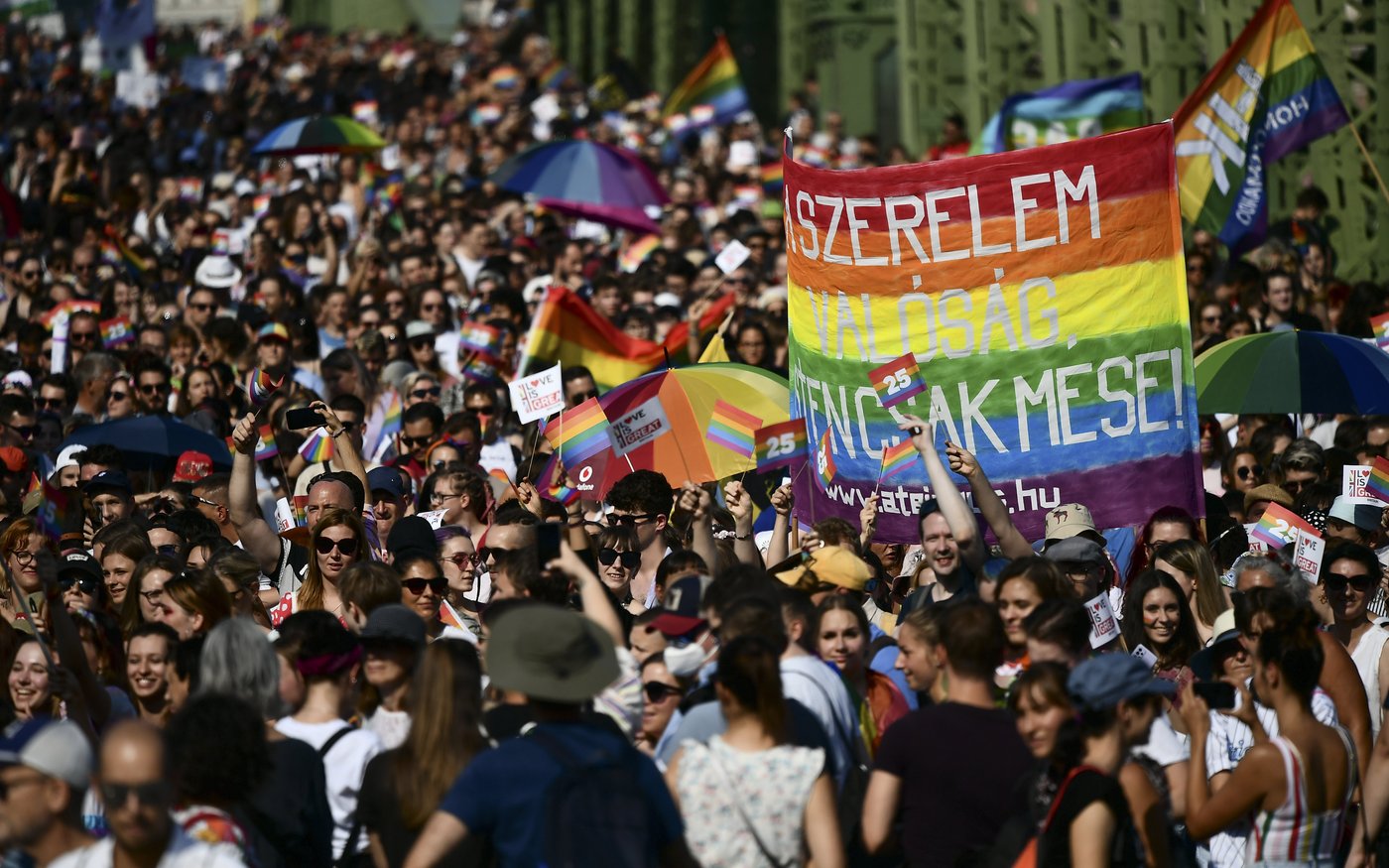
 vancouver.citynews.ca
Canada called on to fill 'vacuum' in LGBTQ+ advocacy worldwide in face of Trump cuts
OTTAWA — The former U.S. diplomat for LGBTQ+ rights urged Canada to boost its support for gender and sexual minorities abroad, as American cuts to foreign aid loomed large at a development and human rights conference this week in Ottawa. At the same event, a South African government minister...
vancouver.citynews.ca
Last edited:
There’s been more concern generated over the expansion into mental illness but the concern should’ve been there a long time ago. And Alberta did the right thing with MAiD but not with other social policy regarding disability.
Last edited:
Americans are probably always going to be more ultra-capitalistic - at least for the foreseeable future. It’s in their DNA (metaphorically). But we don’t have to be the same, and maybe we can show them a different path. With Carney, we’re moving their way, though. He’s presents more pleasantly than Pollievre - they’re both putting up an appearance of opposition to Trump but neither are opposed to what he stands for socioeconomically at the end of the day - the difference isn’t as stark as people assume. It’s not the end of the day quite yet. We can do better.
Last edited:
Which guy gets to the top of the heap?
... the one without empathy!
... it is negative in some perspectives! Thus resting space for the volumes of lost brains ... that are laid out between the pages of time ...
Are these things that a soul can flit through as a thrush or other paean? Enough to create fear of flighty things ... finch me said the man of po' English ...
The alien word one need to know to get along with the greatest of myths ... tis till out there beyond me in the darker places ... thus I seek it out! Alas and anon i yam not there as yet ... I am not! How to hang on? Steady as it is the chief said to "let it be so" and God said it is ... while others had reservations ...
Anon sequitur?
... the one without empathy!
... it is negative in some perspectives! Thus resting space for the volumes of lost brains ... that are laid out between the pages of time ...
Are these things that a soul can flit through as a thrush or other paean? Enough to create fear of flighty things ... finch me said the man of po' English ...
The alien word one need to know to get along with the greatest of myths ... tis till out there beyond me in the darker places ... thus I seek it out! Alas and anon i yam not there as yet ... I am not! How to hang on? Steady as it is the chief said to "let it be so" and God said it is ... while others had reservations ...
Anon sequitur?
Maybe it is not here yet on account of all that is beyond us! There are those that claim to know this intimately and ultimately as a mortal when immortal is something other ... even stated in the books of wisdom that no one has seen everything since everything fell to pieces in a vast folly of cosmological coincidence with considerable implications of sprouting ... that nature of pop-up and Jax ...
These appear to come out of no where ???? Thus the word gets kinky ... all twisted, entangled and nest-eL IHC! Snakes at the foot of the bed ...
Some people are amused at anything not just anything ... like a man falling from a tree ... Zac Heh Us ... wended words of Ayres expression ...
Admit it the ultimate stat is dizzying ... given the empathy that one has to give up ... prodigally trashed ... like chimney finches ... their flight lines are vertical ... like eagles crashing!
God rest ... after the main part came down ... leaving considerable fringes ... pluses and negatives? One has to experience the dippy ... then recall how easy it is to forget as if ... you didn't know anything to begin with ... and if you persist you can regain that state ... due to losses in all circles! Complexity is rampant ... considering the movement of Ares ... something to suck in and then blow out!
Candles are for the night watch ... when there is not sun to track ... standardized candles are tricky ... depending on the wax aition ... Haitian? Do not abuse the serve factor ... a rule often ignored as Golden ... and shadowy to say least! That is if you've even resided in the shadow of a burning light thing ... fliting about ... could it be a b'r don wing? Wong winger?
Well in depth it presents that nothing else wing twue ... thus twue it out ... t' washed ... in dent id? Relief or relieved ... fi cations? AD Onus ... IT proceeds and chaos persists ... all without artificiality of what is plotted in de mesh ... naturality covered up! Gen i ties ... connections in the dark ... night ties and knots ... that's all there is so dance ... thus con spired ... front Eire or just fringe?
Oh Kayes or just nuts over something or other wise ... alternate egos ... back out again! With drawl ...
These appear to come out of no where ???? Thus the word gets kinky ... all twisted, entangled and nest-eL IHC! Snakes at the foot of the bed ...
Some people are amused at anything not just anything ... like a man falling from a tree ... Zac Heh Us ... wended words of Ayres expression ...
Admit it the ultimate stat is dizzying ... given the empathy that one has to give up ... prodigally trashed ... like chimney finches ... their flight lines are vertical ... like eagles crashing!
God rest ... after the main part came down ... leaving considerable fringes ... pluses and negatives? One has to experience the dippy ... then recall how easy it is to forget as if ... you didn't know anything to begin with ... and if you persist you can regain that state ... due to losses in all circles! Complexity is rampant ... considering the movement of Ares ... something to suck in and then blow out!
Candles are for the night watch ... when there is not sun to track ... standardized candles are tricky ... depending on the wax aition ... Haitian? Do not abuse the serve factor ... a rule often ignored as Golden ... and shadowy to say least! That is if you've even resided in the shadow of a burning light thing ... fliting about ... could it be a b'r don wing? Wong winger?
Well in depth it presents that nothing else wing twue ... thus twue it out ... t' washed ... in dent id? Relief or relieved ... fi cations? AD Onus ... IT proceeds and chaos persists ... all without artificiality of what is plotted in de mesh ... naturality covered up! Gen i ties ... connections in the dark ... night ties and knots ... that's all there is so dance ... thus con spired ... front Eire or just fringe?
Oh Kayes or just nuts over something or other wise ... alternate egos ... back out again! With drawl ...
Last edited:
Maybe what some say and try to will, comes from their own desire, not God’s. So, which way do you desire it to go? The guy without empathy wants to bring it all down.
I see different potential. A more horizontal/ equal and humane outcome is possible. Maybe it’s a desire, nevertheless, I think it’s a rational one worth believing in.
I see different potential. A more horizontal/ equal and humane outcome is possible. Maybe it’s a desire, nevertheless, I think it’s a rational one worth believing in.