Extinction Rebellion

Welcome to Wondercafe2!

A community where we discuss, share, and have some fun together. Join today and become a part of it!

Then there is god given forgetfulness ... what happens when too emotional about your fears of slowing the industrial turn overs ... mental reciprocation? The brain rush ... as it goes down the tubes ... recall the brain is only 20% fatty acids .... sometimes known as calla steroids ... these may flush out faster with 80% water in the flow of the scheme chart (something to be drawn up ... druid)! Thus de-ruid-ation of mon's kush existence ... the soft and dark abstract hidden deep in the readings ... about goings on in deb ush! Them's be bush babies ... bo Nob Oz? Sometimes knotty and entangled as Ađan ... that epi*stemology that started in the tree lands ... leaving many up the stump for not knowing why, how, when, where it began ... stumped?

If you know something different than you neighbour ... you may be observed as strange ... and yet some will rush to get around it ... cover-up as out-ve-site? How discrete can ridiculous be ...
 
Tackling climate change.
Running around with your hair on fire is rarely helpful.
If the left has a plan, they should bring it out for all to see.
Complaining and stoking fear is not a plan.


Complaining and stoking fear is not a plan.
Ignoring environmental injustice -- is that a plan?
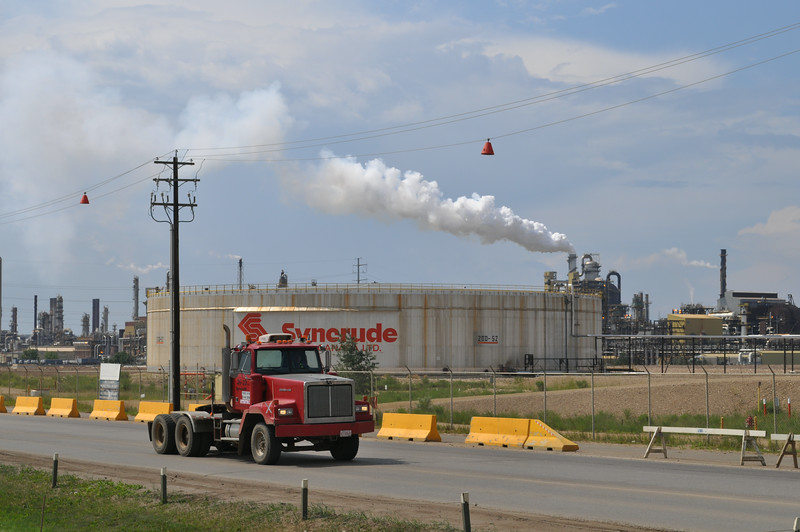
  • The Athabasca River flows north through the tar sands mines, carrying contaminants away from major population centers and toward Fort Chipewyan, a community of Chipewyan, Cree, and Metis First Nations people. One suspects that the intense water contamination visited on Fort Chipewyan would not be permitted if the river of pollutants flowed south from the tar sands into the Canadian cities of Edmonton and Calgary.
 
Is de colon part of a large digestive plan that comes to mind ... if the mind hasn't souley (so*lei) taken off! Thus further blossoming ... as the hart fails causing smatter ...
 
It's great that we have these environmental protests, but what would happen if everybody that participated or just stayed home to watch or read about it actually took upon themselves their own individual action to participate in cleaning up the environment?
For instance:
What if everyone went home and looked around to see what is in their own houses that contains plastic? What would you be left with? No lawn furniture? No clocks? No containers to store food?
No TV? No electronics? etc. Lawn furniture would be replaced with wood furniture. Food storage containers would become glass, and on and on and on.
Cars should be driven less, air travel should become self limited.
Local garbage collections should limit how much plastic is allowed in garbage collections per household....plastic bags to hold garbage would be disallowed and instead garbage is placed directly into garbage cans.
We become more aware of the irony of grocery stores and ourselves, who think we're doing our part by supplying paper or cloth grocery bags instead of plastic bags, only to bag the numerous items sold in the store that are encased in plastic. Should we buy the laundry detergent in the box or the liquid one in plastic? Should we be able to point out the meat we want to the butcher and put it in our environmentally friendly container we bring from home or butcher wrapped in paper, instead of the plastic wrapped meat set out for the convenience of faster shopping? Should our hand soap enshrined in a plastic pump bottle become a bar soap in our house again? Shampoo and conditioner in tetra packs or plastic?
It seems to me, we want to come down on big wealthy businesses and politicians to press for change, but do we forget that it's us, the consumer, that drives the offending businesses on that are polluting our world? It's the consumer that causes the change to be slow because we wouldn't know how to carry on without being supplied with our modern day conveniences and for us to change too fast would be culture shock and force businesses to readjust....causing a temporary financial burden for businesses that would dig into profits. We might have to even pay more for products to allow this to happen.

Oh and here's an upcoming idea, what if every public school in Canada said every hallowe'en costume worn to school this coming hallowe'en season was to be home made and not store bought....it would foster creativity and possibly some one on one time with friends and parents. No plastic store bought costumes.
No plastic pumpkins(or plastic anything) for door to door treats....back to pillow cases I guess or recyclable cloth bags. No plastic pumpkin lights hanging from the eaves, no plastic ghouls at the door.....oh the sacrifice WE would have to make for climate change, LOL.
Far easier to do a climate change walk, pointing our accusatory fingers outward rather than inward.....do we get real or just remain pompously righteous?
We need organized mandatory laws that provide REAL change IMO.....because most of us won't change unless we have to.

I've just looked around my own home and there's plastic everywhere....from a butter dish, bread wrapped in plastic, plastic shower and bath enclosure, plastic food containers, plastic flower pot containers, outdoor decorative rug made of plastic.....it's endless!!!
What's in your home?
 
In a limited (mortal) world is it best to treat resources as ... waste not-want not?

Yet this conceptualism is defunct under the rule of following desires alone ... give it no thought!

Is there a word for such eternal corruption? Some eastern philosophies presented the word fasad ... an interesting concept to say least! Under the gnos tick rule it is fore got ... Eve' n forebodden! Thus neural jerks and twitches ... watch great leaders facis for movement!
 
Far easier to do a climate change walk, pointing our accusatory fingers outward rather than inward.....do we get real or just remain pompously righteous?

It’s true that plastic pollution is a huge problem, of planetary proportions.

And it’s true we could all do more to reduce our plastic footprint.

The lie is that blame for the plastic problem is wasteful consumers and that changing our individual habits will fix it.

The real problem is that single-use plastic—the very idea of producing plastic items like grocery bags, which we use for an average of 12 minutes but can persist in the environment for half a millennium—is an incredibly reckless abuse of technology.

Encouraging individuals to recycle more will never solve the problem of a massive production of single-use plastic that should have been avoided in the first place.

Scientists have long recognized that plastics biodegrade slowly, if at all, and pose multiple threats to wildlife through entanglement and consumption.

Beginning in the 1950s, big beverage companies like Coca-Cola and Anheuser-Busch, along with Phillip Morris and others, formed a non-profit called Keep America Beautiful. Its mission is/was to educate and encourage environmental stewardship in the public by bringing ...

“litterbug” into the American lexicon through their marketing campaigns against thoughtless individuals.

Two decades later, their “Crying Indian” PSA, would become hugely influential for the U.S. environmental movement.

More recently, the Ad Council and Keep America Beautiful teams produced the “I Want to Be Recycled” campaign.

These efforts seem benevolent, but obscure the real problem, the role that corporate polluters play in the plastic problem.

Keep America Beautiful as the first corporate greenwashing front, has helped shift the public focus to consumer recycling behavior and actively thwarted legislation that would increase extended producer responsibility for waste management.

Back in 1953, Vermont passed a piece of legislation called the Beverage Container Law, which outlawed the sale of beverages in non-refillable containers.

Single-use packaging was just being developed, and manufacturers were excited about the much higher profit margins associated with selling containers along with their products, rather than having to be in charge of recycling or cleaning and reusing them.

Keep America Beautiful was founded that year and began working to thwart such legislation.

Vermont lawmakers allowed the measure to lapse after 4 years.

Single-use container industry expanded, unfettered, for almost 20 years.

In 1971 Oregon reacted to a growing trash problem by becoming the first U.S. state to pass a “bottle bill,” requiring a five-cent deposit on beverage containers that would be refunded upon the container’s return.

Bottle bills provide a strong incentive for container reuse and recycling, and the 10 states with bottle deposit laws have around 60 percent container recovery rates compared to 24 percent in states without them.

Yet Keep America Beautiful and other industrial lobbying groups have publicly opposed or marketed against bottle deposit legislation for decades, as it threatens their bottom line.

Between 1989 and 1994 the beverage industry spent $14 million to defeat the National Bottle Bill.

The greatest success of Keep America Beautiful has been to shift the onus of environmental responsibility onto the public while simultaneously becoming a trusted name in the environmental movement.

This psychological misdirect has built public support for a legal framework that punishes individual litterers with hefty fines or jail time, while imposing almost no responsibility on plastic manufacturers for the numerous environmental, economic and health hazards imposed by their products.

Effectively, we have accepted individual responsibility for a problem we have little control over.

We can swim against this plastic stream with all our might and fail to make much headway.

At some point we need to address the source ...

Plastic producers that continue to oppose legislation that would eat into their profit margins.


Though California and Hawaii have banned the free distribution of plastic bags at checkout, a result of lobbying is that 10 U.S. states now have preemption laws preventing municipalities from regulating plastic at the local level.

Plastic producers see their profits threatened and have taken a familiar tactic, forming the Save the Plastic Bag Coalition and the American Progressive Bag Alliance to fight bag bans under the guise of defending customers’ finances and freedom to choose.

Litterbugs are not responsible for the global ecological disaster of plastic.

Humans can only function to the best of their abilities, given time, mental bandwidth and systemic constraints.

Our huge problem with plastic is the result of a permissive legal framework that has allowed the uncontrolled rise of plastic pollution, despite clear evidence of the harm it causes to local communities and the world’s oceans.

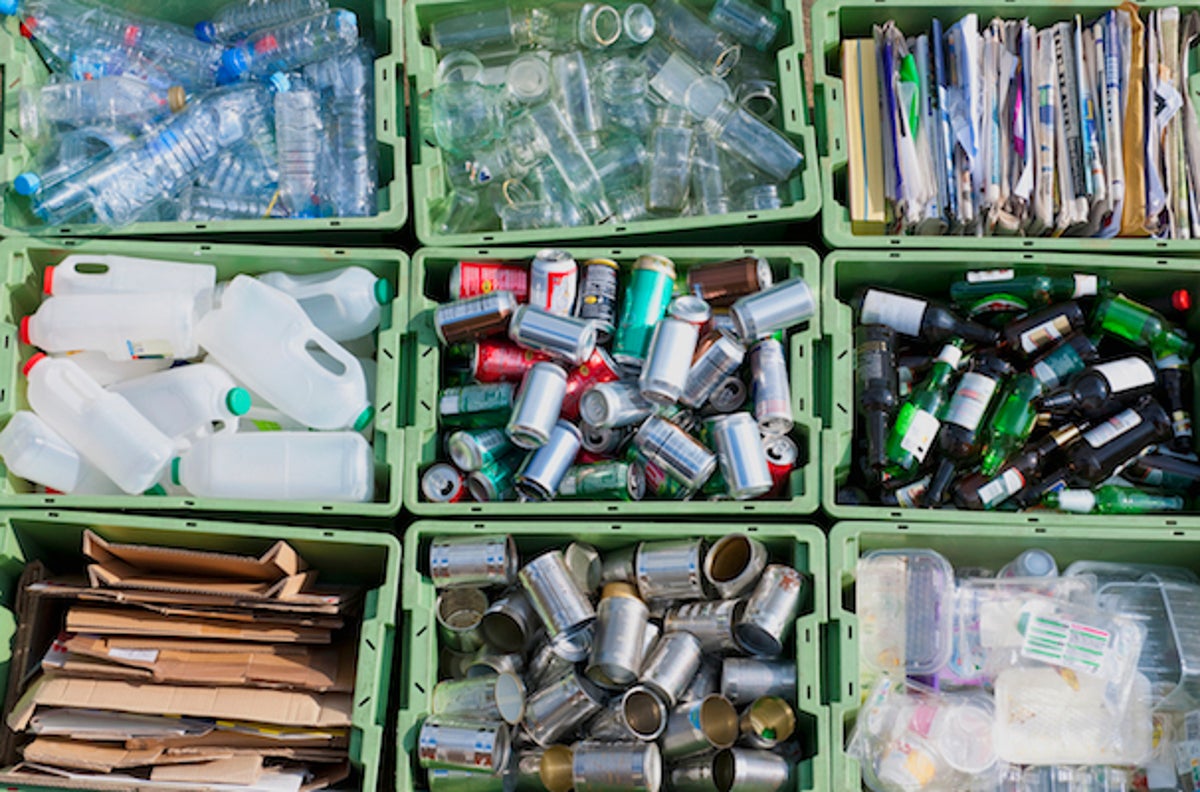
Recycling is also too hard in most parts of North America and lacks the proper incentives to make it work well.

A zero waste lifestyle will be impractical or impossible for most of us within current economic systems.

Groups like the Ellen MacArthur Foundation are partnering with industry to incorporate “cradle-to-cradle” (i.e., circular economic) design into their products.

It’s time to stop blaming consumers for our plastic crisis and demand a better system.

 
Last edited:
Can such thing can made efficient businesswise? If not the operation will fail because of the support of business over folks ...
 
It’s true that plastic pollution is a huge problem, of planetary proportions.

And it’s true we could all do more to reduce our plastic footprint.

The lie is that blame for the plastic problem is wasteful consumers and that changing our individual habits will fix it.

The real problem is that single-use plastic—the very idea of producing plastic items like grocery bags, which we use for an average of 12 minutes but can persist in the environment for half a millennium—is an incredibly reckless abuse of technology.

Encouraging individuals to recycle more will never solve the problem of a massive production of single-use plastic that should have been avoided in the first place.

Scientists have long recognized that plastics biodegrade slowly, if at all, and pose multiple threats to wildlife through entanglement and consumption.

Beginning in the 1950s, big beverage companies like Coca-Cola and Anheuser-Busch, along with Phillip Morris and others, formed a non-profit called Keep America Beautiful. Its mission is/was to educate and encourage environmental stewardship in the public by bringing ...

“litterbug” into the American lexicon through their marketing campaigns against thoughtless individuals.

Two decades later, their “Crying Indian” PSA, would become hugely influential for the U.S. environmental movement.

More recently, the Ad Council and Keep America Beautiful teams produced the “I Want to Be Recycled” campaign.

These efforts seem benevolent, but obscure the real problem, the role that corporate polluters play in the plastic problem.

Keep America Beautiful as the first corporate greenwashing front, has helped shift the public focus to consumer recycling behavior and actively thwarted legislation that would increase extended producer responsibility for waste management.

Back in 1953, Vermont passed a piece of legislation called the Beverage Container Law, which outlawed the sale of beverages in non-refillable containers.

Single-use packaging was just being developed, and manufacturers were excited about the much higher profit margins associated with selling containers along with their products, rather than having to be in charge of recycling or cleaning and reusing them.

Keep America Beautiful was founded that year and began working to thwart such legislation.

Vermont lawmakers allowed the measure to lapse after 4 years.

Single-use container industry expanded, unfettered, for almost 20 years.

In 1971 Oregon reacted to a growing trash problem by becoming the first U.S. state to pass a “bottle bill,” requiring a five-cent deposit on beverage containers that would be refunded upon the container’s return.

Bottle bills provide a strong incentive for container reuse and recycling, and the 10 states with bottle deposit laws have around 60 percent container recovery rates compared to 24 percent in states without them.

Yet Keep America Beautiful and other industrial lobbying groups have publicly opposed or marketed against bottle deposit legislation for decades, as it threatens their bottom line.

Between 1989 and 1994 the beverage industry spent $14 million to defeat the National Bottle Bill.

The greatest success of Keep America Beautiful has been to shift the onus of environmental responsibility onto the public while simultaneously becoming a trusted name in the environmental movement.

This psychological misdirect has built public support for a legal framework that punishes individual litterers with hefty fines or jail time, while imposing almost no responsibility on plastic manufacturers for the numerous environmental, economic and health hazards imposed by their products.

Effectively, we have accepted individual responsibility for a problem we have little control over.

We can swim against this plastic stream with all our might and fail to make much headway.

At some point we need to address the source ...

Plastic producers that continue to oppose legislation that would eat into their profit margins.


Though California and Hawaii have banned the free distribution of plastic bags at checkout, a result of lobbying is that 10 U.S. states now have preemption laws preventing municipalities from regulating plastic at the local level.

Plastic producers see their profits threatened and have taken a familiar tactic, forming the Save the Plastic Bag Coalition and the American Progressive Bag Alliance to fight bag bans under the guise of defending customers’ finances and freedom to choose.

Litterbugs are not responsible for the global ecological disaster of plastic.

Humans can only function to the best of their abilities, given time, mental bandwidth and systemic constraints.

Our huge problem with plastic is the result of a permissive legal framework that has allowed the uncontrolled rise of plastic pollution, despite clear evidence of the harm it causes to local communities and the world’s oceans.

Recycling is also too hard in most parts of North America and lacks the proper incentives to make it work well.

A zero waste lifestyle will be impractical or impossible for most of us within current economic systems.

Groups like the Ellen MacArthur Foundation are partnering with industry to incorporate “cradle-to-cradle” (i.e., circular economic) design into their products.

It’s time to stop blaming consumers for our plastic crisis and demand a better system.

We can start drastically reducing our use of plastic as much as possible, and start thinking harder about what was used for everyday products years ago.
If the producers won't change, we must.......we don't need the form of socialism where we need the government to do for us what we should be doing ourselves, but more of a nordic socialism where we respect and admit our own responsibility along with government participation IMO.
 
No, recycling is definitely not the solution. The problem started when people started to think that growth can be indefinite on a planet that is finite.
Exactly! They've been saying for years recycling isn't working properly....but we all feel good doing it and continue to do so.....in the meantime, why are we putting our wet garbage in plastic bags?
 
It’s true that plastic pollution is a huge problem, of planetary proportions.

And it’s true we could all do more to reduce our plastic footprint.

The lie is that blame for the plastic problem is wasteful consumers and that changing our individual habits will fix it.

The real problem is that single-use plastic—the very idea of producing plastic items like grocery bags, which we use for an average of 12 minutes but can persist in the environment for half a millennium—is an incredibly reckless abuse of technology.

Encouraging individuals to recycle more will never solve the problem of a massive production of single-use plastic that should have been avoided in the first place.

Scientists have long recognized that plastics biodegrade slowly, if at all, and pose multiple threats to wildlife through entanglement and consumption.

Beginning in the 1950s, big beverage companies like Coca-Cola and Anheuser-Busch, along with Phillip Morris and others, formed a non-profit called Keep America Beautiful. Its mission is/was to educate and encourage environmental stewardship in the public by bringing ...

“litterbug” into the American lexicon through their marketing campaigns against thoughtless individuals.

Two decades later, their “Crying Indian” PSA, would become hugely influential for the U.S. environmental movement.

More recently, the Ad Council and Keep America Beautiful teams produced the “I Want to Be Recycled” campaign.

These efforts seem benevolent, but obscure the real problem, the role that corporate polluters play in the plastic problem.

Keep America Beautiful as the first corporate greenwashing front, has helped shift the public focus to consumer recycling behavior and actively thwarted legislation that would increase extended producer responsibility for waste management.

Back in 1953, Vermont passed a piece of legislation called the Beverage Container Law, which outlawed the sale of beverages in non-refillable containers.

Single-use packaging was just being developed, and manufacturers were excited about the much higher profit margins associated with selling containers along with their products, rather than having to be in charge of recycling or cleaning and reusing them.

Keep America Beautiful was founded that year and began working to thwart such legislation.

Vermont lawmakers allowed the measure to lapse after 4 years.

Single-use container industry expanded, unfettered, for almost 20 years.

In 1971 Oregon reacted to a growing trash problem by becoming the first U.S. state to pass a “bottle bill,” requiring a five-cent deposit on beverage containers that would be refunded upon the container’s return.

Bottle bills provide a strong incentive for container reuse and recycling, and the 10 states with bottle deposit laws have around 60 percent container recovery rates compared to 24 percent in states without them.

Yet Keep America Beautiful and other industrial lobbying groups have publicly opposed or marketed against bottle deposit legislation for decades, as it threatens their bottom line.

Between 1989 and 1994 the beverage industry spent $14 million to defeat the National Bottle Bill.

The greatest success of Keep America Beautiful has been to shift the onus of environmental responsibility onto the public while simultaneously becoming a trusted name in the environmental movement.

This psychological misdirect has built public support for a legal framework that punishes individual litterers with hefty fines or jail time, while imposing almost no responsibility on plastic manufacturers for the numerous environmental, economic and health hazards imposed by their products.

Effectively, we have accepted individual responsibility for a problem we have little control over.

We can swim against this plastic stream with all our might and fail to make much headway.

At some point we need to address the source ...

Plastic producers that continue to oppose legislation that would eat into their profit margins.


Though California and Hawaii have banned the free distribution of plastic bags at checkout, a result of lobbying is that 10 U.S. states now have preemption laws preventing municipalities from regulating plastic at the local level.

Plastic producers see their profits threatened and have taken a familiar tactic, forming the Save the Plastic Bag Coalition and the American Progressive Bag Alliance to fight bag bans under the guise of defending customers’ finances and freedom to choose.

Litterbugs are not responsible for the global ecological disaster of plastic.

Humans can only function to the best of their abilities, given time, mental bandwidth and systemic constraints.

Our huge problem with plastic is the result of a permissive legal framework that has allowed the uncontrolled rise of plastic pollution, despite clear evidence of the harm it causes to local communities and the world’s oceans.

Recycling is also too hard in most parts of North America and lacks the proper incentives to make it work well.

A zero waste lifestyle will be impractical or impossible for most of us within current economic systems.

Groups like the Ellen MacArthur Foundation are partnering with industry to incorporate “cradle-to-cradle” (i.e., circular economic) design into their products.

It’s time to stop blaming consumers for our plastic crisis and demand a better system.

Do we really need legislation to refuse plastic bagging? or buying drinks without a deposit?
 
In 1937, Dupont patented the processes to make plastics from oil and coal.
Dupont's Annual Report urged stockholders to invest in its new petrochemical division.
Synthetics such as plastics, cellophane, celluloid, methanol, nylon, rayon, Dacron, etc., could now be made from oil.
Natural hemp industrialization would have ruined over 80% of Dupont's business.

In September of 1937, hemp became illegal.

The most useful crop known became a drug and our planet has been suffering ever since.

Congress banned hemp because it was said to be the most violence-causing drug known.

Do we really need legislation to refuse plastic bagging? or buying drinks without a deposit?

Legislation banning plastic ... what is the worst that could happen?


hemp.gif
 
In 1937, Dupont patented the processes to make plastics from oil and coal.
Dupont's Annual Report urged stockholders to invest in its new petrochemical division.
Synthetics such as plastics, cellophane, celluloid, methanol, nylon, rayon, Dacron, etc., could now be made from oil.
Natural hemp industrialization would have ruined over 80% of Dupont's business.

In September of 1937, hemp became illegal.

The most useful crop known became a drug and our planet has been suffering ever since.

Congress banned hemp because it was said to be the most violence-causing drug known.


Legislation banning plastic ... what is the worst that could happen?


View attachment 2896

We could creep out of the established pious state of mind into something sublimely deeper?

Imagine a good break in the stoic establishment!
 
Don’t throw out your plastic chairs to buy wooden ones.

We already have wooden ones. They were made by our son so provided entertainment too.

However, the chairs we take camping contain a mix of metal and plastic. The tent our grands sleep in is some sort of unnatural fabric, it was purchased in 2000. Our sleeping bags are man made fibre, but we've used them for thirty years, patching occasionally. Our camper is fibreglass, but it was made in 1974 or so..

Not easy to get away from harmful stuff.
 
Not easy to get away from harmful stuff.

It's not, and I think we should fine tune our focus a bit. Plastic is not evil, per se. Single use plastic, especially packaging, IS, for the most part. If we all refused to use: plastic straws, plastic bags, plastic wrap, produce bags, products wrapped in bizarre amounts of plastic (I'm looking at you, dollar store charging cables, lol), we'd at least have started.
 
Back
Top