


Mendalla
Happy headbanging ape!!
- Pronouns
- He/Him/His
(If you want to see our status, look at the quote box below the first paragraph)
A significant percentage of sites on the web have at least some code written in the PHP language. That includes us. The Xenforo software that runs Wondercafe2 is written primarily in PHP. So when it came out a couple days ago that there were significant security vulnerabilities in PHP, all heck broke loose. Sites shut down for safety (and some because of actual attempts to exploit the vulnerabilities), IT geeks logged hours doing updates, and so on. The foundation that maintains PHP released patches, but only for recent versions (8.2 and higher; latest is 8.5, we use 8.3). People still on older versions were SOL and there's a surprising number of those. Though I'm hearing that since it is open sourced, third parties are doing patches for older versions in some cases.
This really points up a huge problem on the Internet, though. There's a few technologies like PHP in wide use that much of it rests on (the Apache and nginx web servers would be another). If there's a security vulnerability or stability issue in one of those technologies, then we are looking at a major problem that will lead to corporations and other organizations having to expend thousands of person-hours and millions of dollars to fix. The large number of sites now hosted on cloud platforms like Amazon Web Services (AWS) is another. The last AWS outage was a catastrophe for some businesses. Be prepared for more of these incidents in coming years, in other words.
And that's all aside from the impact of AI agents that can autonomously harvest data and carry out tasks online, which is another whole story (the security analysts who found the PHP vulnerabilities did use AI assistance). Our server gets hammered regularly by AI agents collecting training data, far more impact than older search engine bots have had. And now, AI agents exist that could technically sign up as a member and start posting on behalf of their human handler, though we have not seen any evidence of this activity yet.
Some of the news stories:
 www.theguardian.com

 www.bbc.com
A significant percentage of sites on the web have at least some code written in the PHP language. That includes us. The Xenforo software that runs Wondercafe2 is written primarily in PHP. So when it came out a couple days ago that there were significant security vulnerabilities in PHP, all heck broke loose. Sites shut down for safety (and some because of actual attempts to exploit the vulnerabilities), IT geeks logged hours doing updates, and so on. The foundation that maintains PHP released patches, but only for recent versions (8.2 and higher; latest is 8.5, we use 8.3). People still on older versions were SOL and there's a surprising number of those. Though I'm hearing that since it is open sourced, third parties are doing patches for older versions in some cases.
So what is our status? Well, we don't actually maintain our infrastructure. We pay a company to host the site and they look after stuff like web servers and PHP (it's called "shared hosting"). So I opened a support ticket with them, and they advised that they have implemented security measures to protect customers like us as they work on getting all their servers patched. Which I believe is sufficient though obviously we will keep our eyes out for a while.
This really points up a huge problem on the Internet, though. There's a few technologies like PHP in wide use that much of it rests on (the Apache and nginx web servers would be another). If there's a security vulnerability or stability issue in one of those technologies, then we are looking at a major problem that will lead to corporations and other organizations having to expend thousands of person-hours and millions of dollars to fix. The large number of sites now hosted on cloud platforms like Amazon Web Services (AWS) is another. The last AWS outage was a catastrophe for some businesses. Be prepared for more of these incidents in coming years, in other words.
And that's all aside from the impact of AI agents that can autonomously harvest data and carry out tasks online, which is another whole story (the security analysts who found the PHP vulnerabilities did use AI assistance). Our server gets hammered regularly by AI agents collecting training data, far more impact than older search engine bots have had. And now, AI agents exist that could technically sign up as a member and start posting on behalf of their human handler, though we have not seen any evidence of this activity yet.
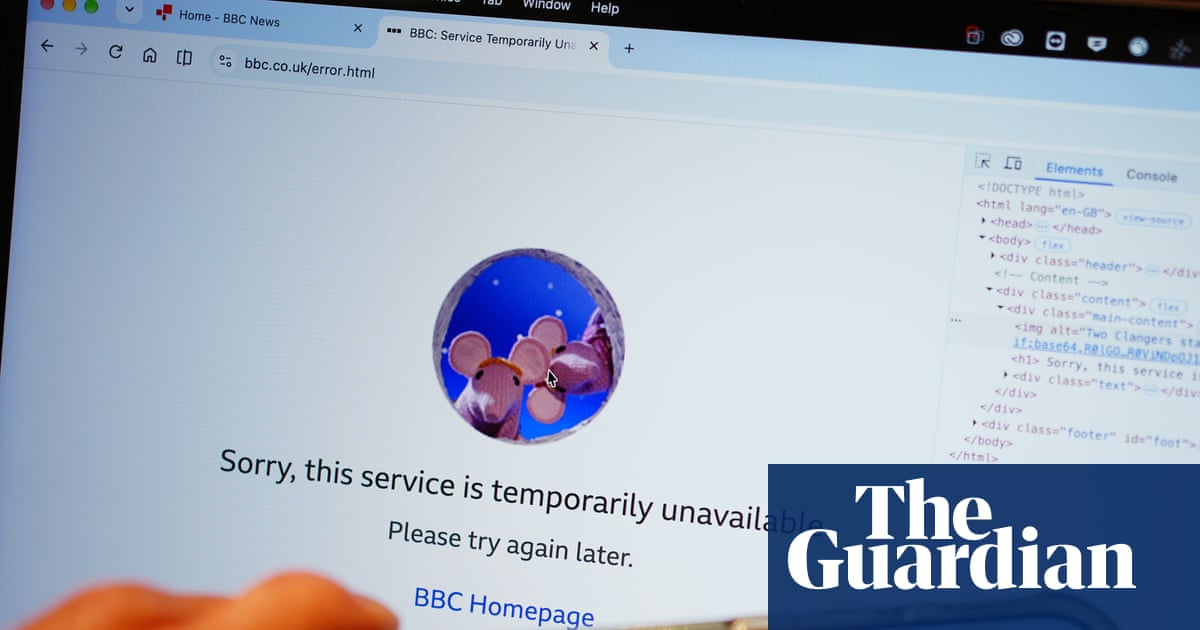
Some of the news stories:
Websites across world hit by millions of attempts to exploit PHP code flaw
Problem in language that underpins 70% of sites has led governments and companies to pull sites offline to patch fault
www.theguardian.com
Scale of cyber-security flaw 'unprecedented' but no sign of breaches, says expert
In the UK, 32 government services are unavailable as security work takes place, but "this does not mean they were hacked", Downing Street says.
www.bbc.com

