


Mendalla
Happy headbanging ape!!
- Pronouns
- He/Him/His
I awoke this morning to hear from various sources that someone has essential used "vibe coding", i.e. AI driven development, to replicate Adobe Creative Suite. Not one part of it like Photoshop or Illustrator. The whole damn thing. And they are releasing it as open source, meaning it will be free to use and anyone can take the code and build on it.
CS is the 500 pound gorilla of graphic design and media editing and is an incredibly expensive subscription. We have two or three subs at work for our marketing team and it's a surprisingly big chunk of my software budget. So a usable open source competitor that basically replicates all of CS's functionality could be huge. It also opens the door to open source replication of other major packages, too. There's already open source office suites (I use Libre Office myself) but they have never made huge inroads against MS Office. But one that was basically a clone of Office so that you didn't have relearn some features? That has strong community support? That might go further.
And it raises a question that has been kicking around since vibe coding first appeared a few years ago: Whither the software industry? If people can build sophisticated applications easily rather than forking out hundreds or thousands of dollars in licensing fees, what happens to companies entirely built on those licensing fees.
My employer is already looking at replacing a major corporate system based on expensive commercial software with an inhouse system built using AI-assisted (not vibe coded but kind of one level below that) development and off-the-rack components, many of them open source. that means the maker of the expensive commercial software loses over a million dollars a year in revenue from us alone. If companies and individuals follow suit for more generalized, commonplace apps like Creative Suite and office apps, that could go to hundreds of millions or billions in lost revenue for companies like MS and Adobe.
Once again, the future looks kind of strange and scary, but also exciting, to this IT geek who has already gone through the transition from purchased software licenses to subscriptions.
 gizmodo.com
CS is the 500 pound gorilla of graphic design and media editing and is an incredibly expensive subscription. We have two or three subs at work for our marketing team and it's a surprisingly big chunk of my software budget. So a usable open source competitor that basically replicates all of CS's functionality could be huge. It also opens the door to open source replication of other major packages, too. There's already open source office suites (I use Libre Office myself) but they have never made huge inroads against MS Office. But one that was basically a clone of Office so that you didn't have relearn some features? That has strong community support? That might go further.
And it raises a question that has been kicking around since vibe coding first appeared a few years ago: Whither the software industry? If people can build sophisticated applications easily rather than forking out hundreds or thousands of dollars in licensing fees, what happens to companies entirely built on those licensing fees.
My employer is already looking at replacing a major corporate system based on expensive commercial software with an inhouse system built using AI-assisted (not vibe coded but kind of one level below that) development and off-the-rack components, many of them open source. that means the maker of the expensive commercial software loses over a million dollars a year in revenue from us alone. If companies and individuals follow suit for more generalized, commonplace apps like Creative Suite and office apps, that could go to hundreds of millions or billions in lost revenue for companies like MS and Adobe.
Once again, the future looks kind of strange and scary, but also exciting, to this IT geek who has already gone through the transition from purchased software licenses to subscriptions.
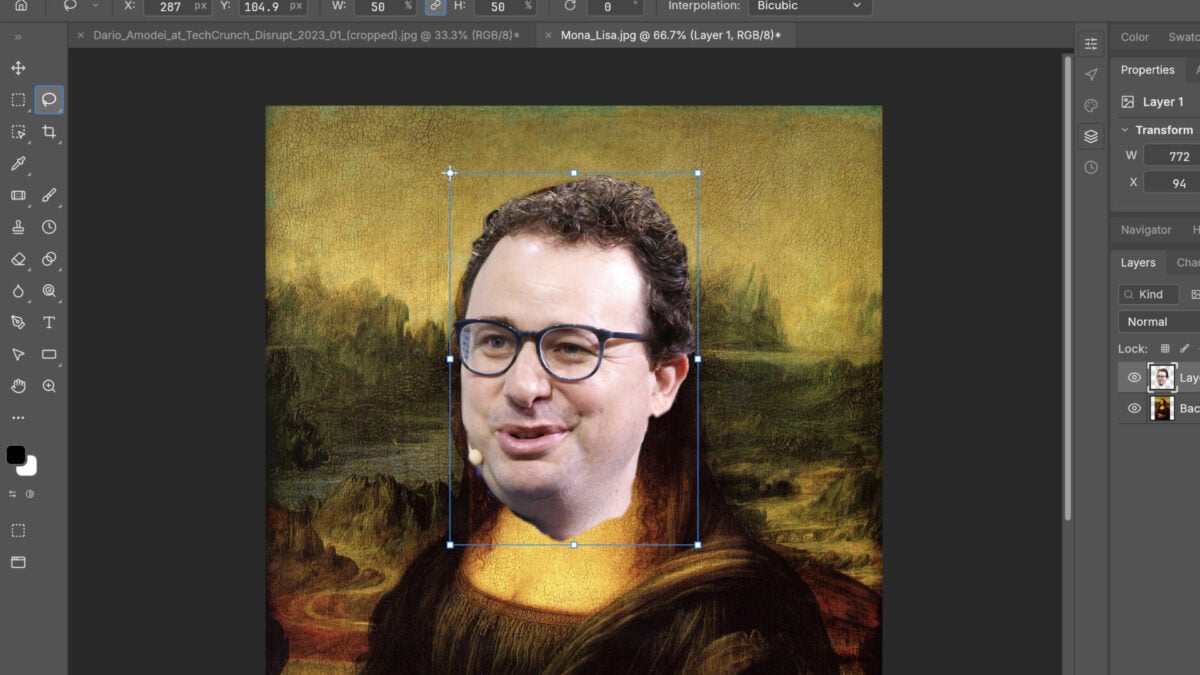
Someone Vibe Coded a Free Knockoff of Adobe Creative Suite
It's janky for now, but it sort of works.
gizmodo.com