GordW
Church-Geek-Oramus
- Pronouns
- He/Him/His
BAck almost 45 years ago as negotiation were happening to repatriate the Constitution a decision was made. Some provincial governments were wary of the Charter of Rights and Freedoms and certainly were wary of Federal overreach. As a result we got the Notwithstanding CLause, whereby any Federal or PRovincial government could override court rulings that legislation violated the Charter to keep legislation in force for a period of five years at a time (it can be renewed). This also helps defend the supremacy of the legislative branch of government (for those who see that as an issue)
My memory is that for many years the use of this clause was seen as a step governments were beyond reluctant to take. ANd it has not ben used a lot since 1982.
Certainly I think that back in 1981/82 the people involved saw it as a last resort, one to use after all judicial pathways have been used.
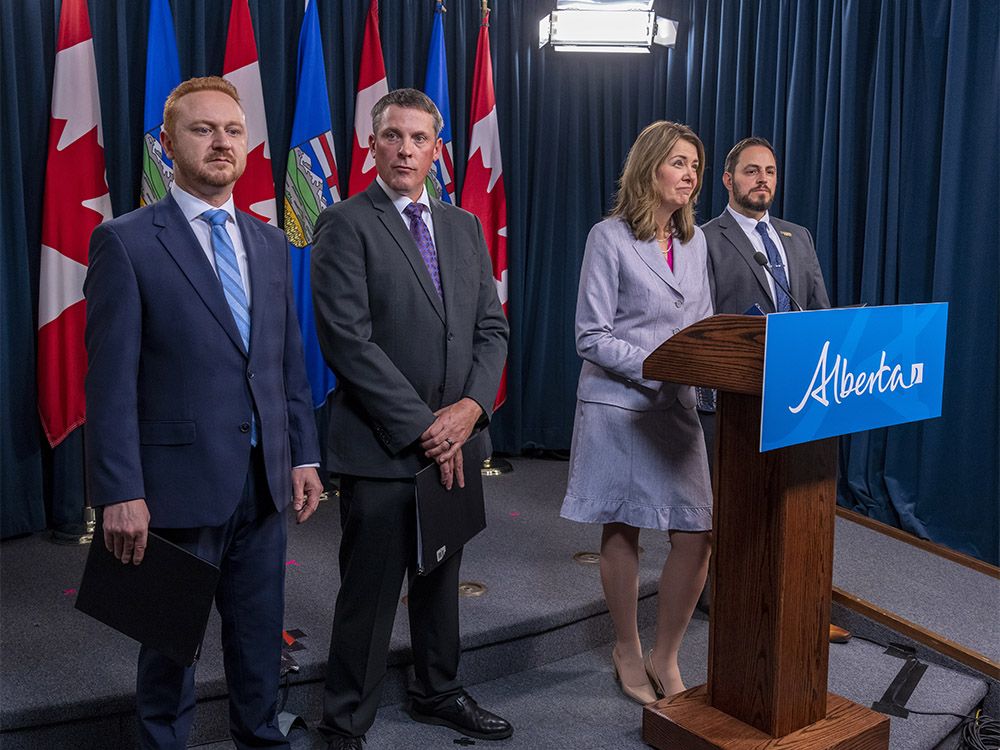
Now let's jump to 2025. Within a month one provincial government has used the NWC twice. In both cases before the issues have had a chance to be heard by the courts. Once to end a teacher's strike and impose a contract. The other to 'protect' 3 anti-trans pieces of legislation in the name of "protecting teens and youth".
{those pieces of legislation have to do with: 1)students needing permission (or notification for older students) to have schools use preferred names and pronouns; 2)blocking health care interventions including puberty blockers for teens (just to note that puberty blockers really only work for pre-pubescent people and are not considered to have permanent effects on fertility despite the claim that this is in part to protect said fertility); 3)bar trans girls form participating in girls sports
Despite what you think about back-to-work legislation or the question of reasonable limits on LGBTQ questions (and i may have strong opinions) the real question that comes up for me around the NWC is are these appropriate uses.
Is it appropriate to use it proactively, to quash the chance you might lose in court?
Is this just a heavy-handed way of government to get its way?
OR is it time-saving measure to provide stability that might be lacking given that court proceedings may move slowly?
My memory is that for many years the use of this clause was seen as a step governments were beyond reluctant to take. ANd it has not ben used a lot since 1982.
Certainly I think that back in 1981/82 the people involved saw it as a last resort, one to use after all judicial pathways have been used.
Now let's jump to 2025. Within a month one provincial government has used the NWC twice. In both cases before the issues have had a chance to be heard by the courts. Once to end a teacher's strike and impose a contract. The other to 'protect' 3 anti-trans pieces of legislation in the name of "protecting teens and youth".
{those pieces of legislation have to do with: 1)students needing permission (or notification for older students) to have schools use preferred names and pronouns; 2)blocking health care interventions including puberty blockers for teens (just to note that puberty blockers really only work for pre-pubescent people and are not considered to have permanent effects on fertility despite the claim that this is in part to protect said fertility); 3)bar trans girls form participating in girls sports
Despite what you think about back-to-work legislation or the question of reasonable limits on LGBTQ questions (and i may have strong opinions) the real question that comes up for me around the NWC is are these appropriate uses.
Is it appropriate to use it proactively, to quash the chance you might lose in court?
Is this just a heavy-handed way of government to get its way?
OR is it time-saving measure to provide stability that might be lacking given that court proceedings may move slowly?